







From Local Leadership to Continental Impact: Dr Vivian Mokome Puts Women’s Health on Africa’s Agenda
When African leaders gather under one roof to shape the continent’s future, the conversations often center on economics, trade, and politics. This year, however, women’s health took its rightful place in that room, and at the heart of that shift is Dr Vivian Mokome.
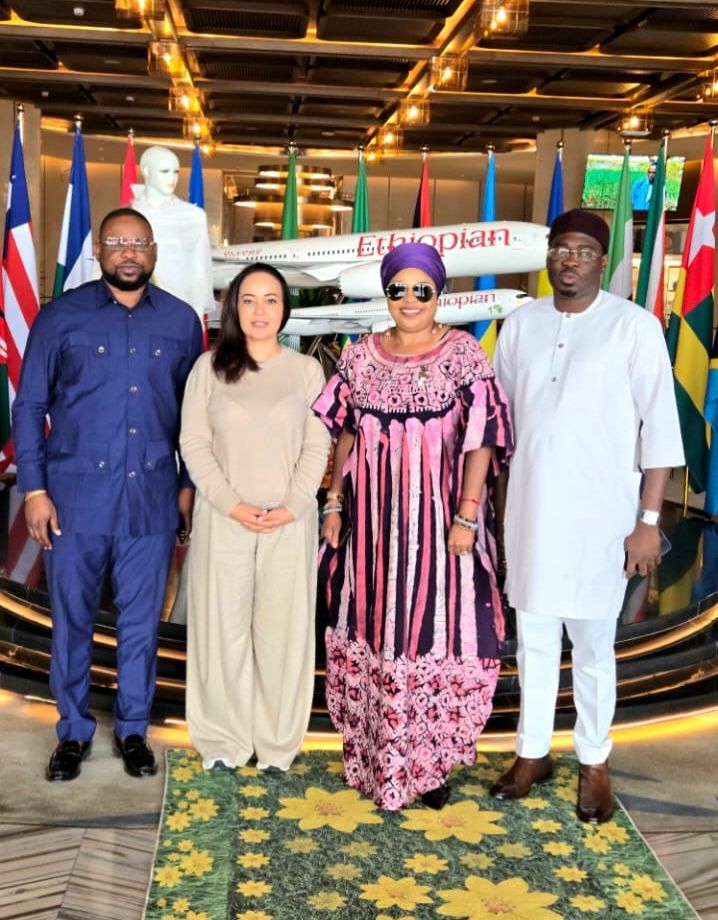
On the sidelines of the 39th Assembly of Heads of State and Government of the African Union in Addis Ababa, Dr Mokome and her business partner, Fatima Moyane, convened a powerful high-level dialogue focused on uterine health within primary healthcare systems. It was not just another side event, it was a statement.
For far too long, uterine health has been a silent crisis across the continent. Millions of women endure preventable conditions, delayed diagnoses, and limited access to care, particularly in underserved communities. Yet these challenges rarely dominate continental policy discussions. Dr Mokome is determined to change that narrative.
Taking place ahead of the Summit’s main proceedings, the engagement gathered influential stakeholders including health ministers, policymakers, clinicians, development partners, private sector leaders, and women with lived experience. But beyond the titles and diplomatic presence, the conversation had one clear message: women’s health is not optional, it is foundational to Africa’s development.
Dr Mokome’s leadership in this space reflects a broader vision, one that understands healthcare as a matter of dignity, equity, and economic progress. When women are healthy, families are stable. When families are stable, communities thrive. And when communities thrive, nations prosper.
The dialogue emphasised strengthening early detection, integrating uterine health into primary healthcare services, and ensuring that access is not determined by geography or income. It also underscored the need for sustainable financing models and long-term policy reform that move beyond rhetoric into measurable action.
In positioning uterine health within the broader framework of Africa’s development aspirations, the event aligned with the continent’s long-term vision for inclusive growth and empowerment. But perhaps more importantly, it signalled something deeper, a shift from conversation to commitment.
For Dr Mokome and Moyane, this is more than advocacy; it is a mission. By placing women’s health firmly on Africa’s strategic agenda, they are helping to reshape what development truly means.
As momentum builds across the continent to strengthen primary healthcare systems, initiatives like this serve as a reminder that real progress begins when we centre the wellbeing of women, not as an afterthought, but as a priority.
And in Addis Ababa, that priority was impossible to ignore.