





Stop the Blame Game: Foreign Children Are Not the Cause of South Africa’s Education Crisis
Tasha Siziba
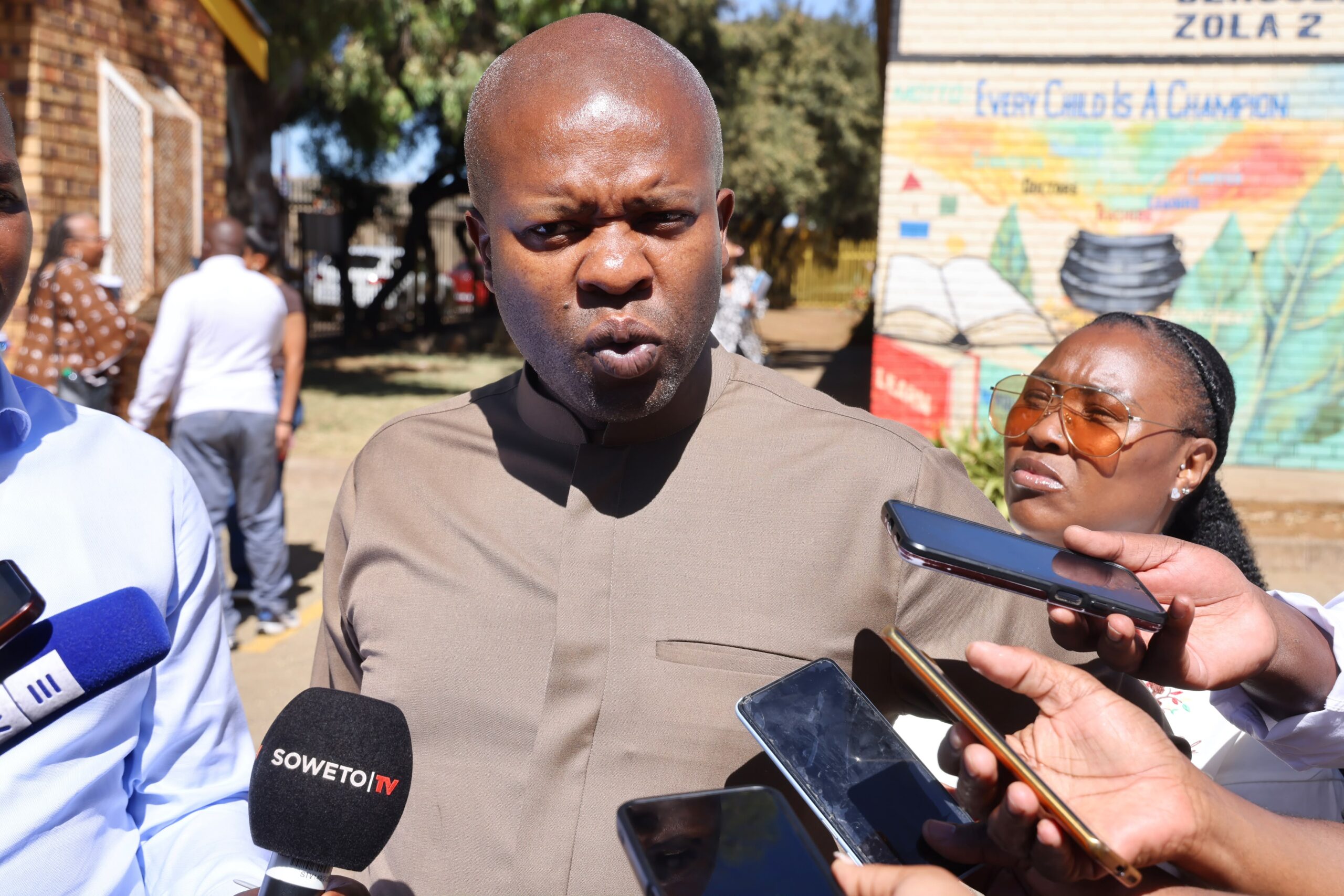
As South Africa grapples with overcrowded classrooms and a strained education system, a troubling narrative has taken root—one that unfairly blames children of foreign nationals for the country’s schooling challenges. But education activist Hendrick Makaneta is pushing back, calling this claim what it is: a distraction from the real issues.
At first glance, the accusation may seem convenient. Overcrowded classrooms, limited resources, and growing demand for education create frustration in many communities. But when examined closely, the facts tell a very different story.
According to available data, a staggering 98.2% of learners in South African schools are citizens, while only 1.8% are foreign nationals. This raises a critical and unavoidable question: how can less than 2% of the learner population be responsible for a nationwide crisis?
“The mathematics simply does not support such a conclusion,” says Makaneta. “It is misguided to blame less than 2% of the learner population for a systemic issue that has persisted for years.”
The reality is far more complex—and far less convenient. South Africa’s education system has long been under pressure due to inadequate infrastructure, rapid population growth, and years of insufficient long-term planning.
In many areas, schools are simply not being built fast enough to meet demand. Classrooms are overcrowded not because of a small group of foreign learners, but because the system itself has not kept pace with the country’s needs.
Blaming foreign children does more than distort the truth—it shifts attention away from accountability. It allows deeper structural failures to go unaddressed while placing an unfair burden on some of the most vulnerable members of society.
Makaneta is clear on this point: “Children do not choose where they are born, nor should they be punished for circumstances beyond their control.” His message is a reminder that education is not a privilege reserved for a select few, but a fundamental right.
South Africa’s Constitution guarantees access to basic education for every child within its borders. This commitment is rooted in values of dignity, equality, and fairness. When foreign children are singled out and blamed, these principles are undermined, and the nation risks losing sight of its moral and legal obligations.
Instead of fueling division, Makaneta urges a shift in focus—toward solutions that address the root causes of the crisis. This means investing in new schools, improving infrastructure, and planning effectively for future population growth. It also means having honest conversations about governance, resource allocation, and long-term strategy.
“South Africa’s education crisis will not be solved by excluding foreign nationals,” Makaneta asserts. “We must confront the real challenges and work towards solutions that ensure access to education for every child.”
Ultimately, the future of South Africa depends on the education of all who live within its borders. Fixing the system requires courage, honesty, and a commitment to facts—not scapegoats. The sooner the country moves away from blame and toward meaningful action, the closer it will get to building an education system that truly serves everyone.
Because in the end, the issue is not who is sitting in the classroom—it is whether there are enough classrooms for everyone.