





UJ Island Retreat Gives Fathers of Children with Neurodiversity a Place to Be Heard
Thabo Motlhabi
South Africa’s conversation around neurodiversity is shifting, and this time, fathers are leading it.
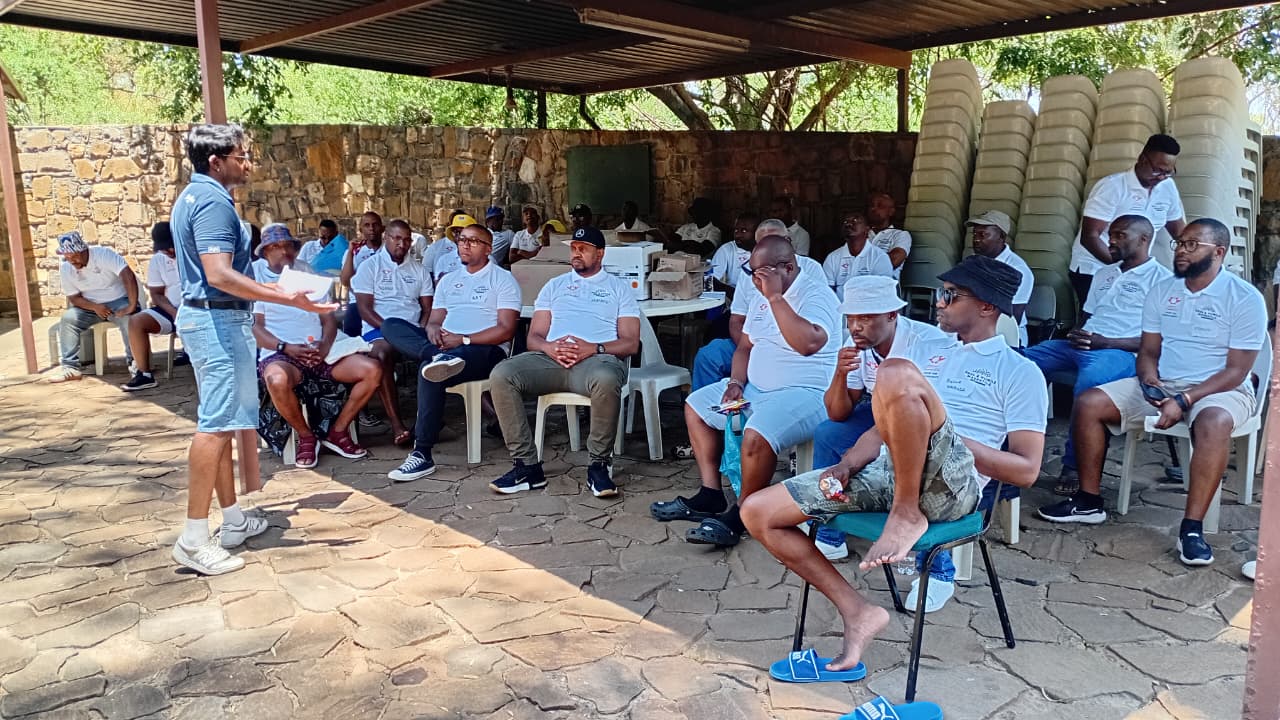
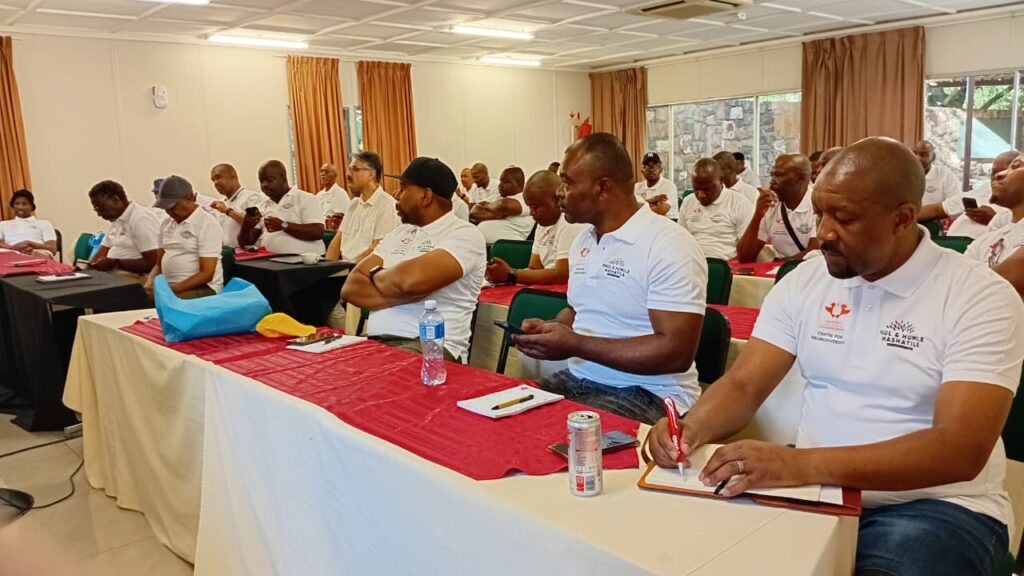
Fathers from across the country gathered at a transformative weekend wellness retreat held at the UJ Island Retreat near the Vaal Dam—on the Gauteng bank close to Deneysville—from Friday, 30 October to Sunday, 1 November 2026. Hosted by Fathers of Children with Neurodiversity in collaboration with the Centre for Neurodiversity at the University of Johannesburg (UJ), the men gathered not to be taught how to parent, but to be heard as men raising neurodiverse children in a world that still struggles to understand them.
In a society where caregiving is often viewed as a mother’s burden, these fathers confronted a silent crisis: the emotional toll, isolation, and lack of support faced by men raising children with autism, ADHD, learning disabilities, and other neurodivergent conditions.
Fathers of Children with Neurodiversity stands to:
- Advocate for neurodiverse communities
- Support fathers and families
- Empower neurodiverse individuals and their networks
The retreat created a rare, safe space for fathers to share lived experiences, exchange knowledge, and explore how to build communities where neurodiverse children are not just accommodated, but genuinely accepted, understood, and celebrated.
Speaking at the retreat, Paseka Lekale, Chairperson of Fathers of Children with Neurodiversity, delivered a powerful message of solidarity:
“To every father and male figure walking this journey, I want you to remember that you are not alone. Supporting and raising a neurodiverse child can sometimes come with uncertainty, questioning, and challenges that others may not fully understand. You will not always have all the answers, and that is okay. What matters is that we continue to learn, listen, show up, and advocate for our children.”
Lekale further emphasized:
“The retreat reminded us of the power of fathers coming together. Your experience can help another father, and their experience can help you. When we share our journeys openly, we realize that we don’t have to carry everything by ourselves. While we take care of our families and our children, we must also remember to take care of ourselves. It is okay to pause, it is okay to rest, and it is okay to ask for help. Let us leave this retreat not only refreshed, but more determined to turn our conversations into action and create a future where our children are accepted, understood, included, and heard.”
Beyond emotional support, the program equipped fathers with practical tools and access to specialists. This included insights into cognitive synchronization—a concept exploring how parents can improve communication and connection by attuning to their children’s unique neurological needs.
Professor Maximus Sefotho from the University of Johannesburg, who facilitated the sessions, described the engagement as robust and deeply educational:
“The retreat was meant to raise awareness among fathers that cognitive synchronization can be used by parents to support their neurodiverse children in all aspects of life. Understanding a child’s needs is essential. When brains synchronize, effective communication can follow. It is the hope of the Centre for Neurodiversity at UJ that this retreat helped fathers reflect, share, and find meaningful ways to help their children. The discussions were robust, and the lived experiences shared were deeply educational.”
Discussions also focused on the long-term vision of the organization’s legacy projects, aimed at creating sustainable, community-based support systems for neurodiverse children and their families.
Among the attendees was Mahlane Mmupi, an elderly grandfather who attended on behalf of his grandson as the primary male figure in the child’s life. He shared that making decisions for his neurodiverse grandchild was harder than any boardroom decision he had ever made—a moment that moved the entire retreat.
At the conclusion of the event, fathers directly engaged with speakers, asked insightful questions, and exchanged contact details to ensure the brotherhood built over the weekend continues far beyond the retreat.
I’m blessed to be part of the retreat and believe it helped me a lot. Now I fully understand what my kids are going through. I thank UJ and FCN for the help I got
The island retreat was a very awesome event as it taught me as lot. I have more knowledge in how to handle my son and even motivated in things to try with him as an autistic child.