





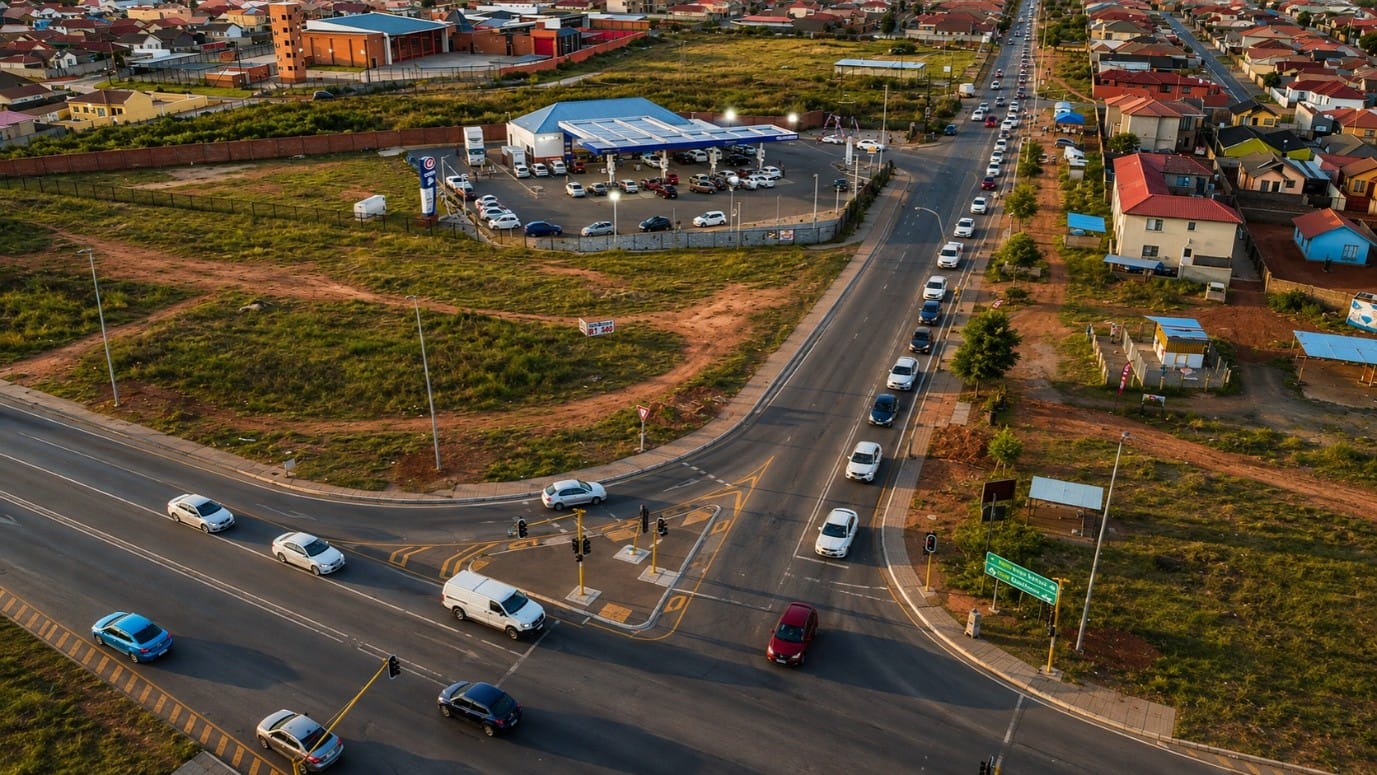

Informal Economy Seen as Key to South Africa’s Jobs and Growth
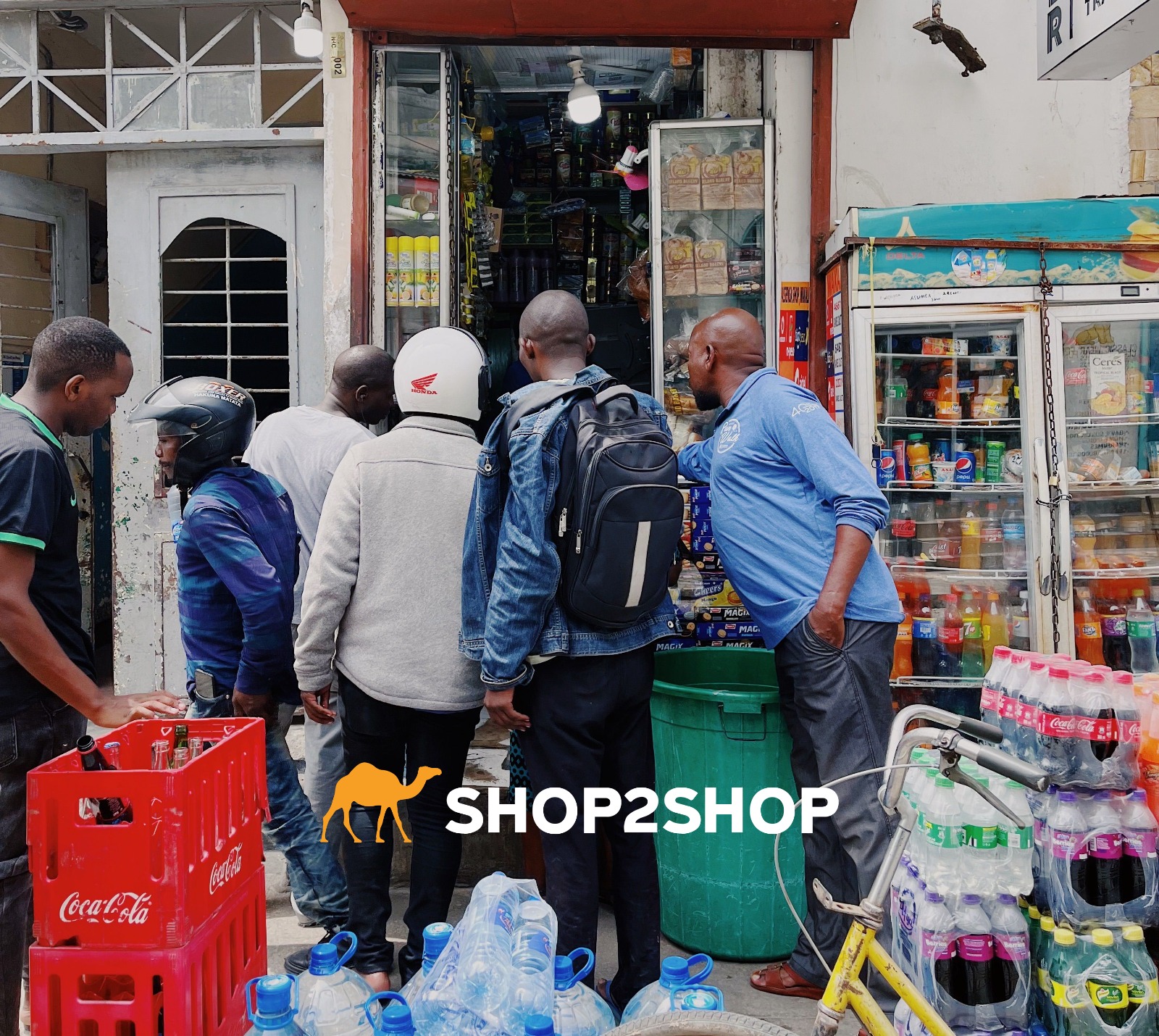
South Africa’s informal economy is emerging as one of the country’s most important drivers of economic activity, with industry leaders calling for greater support and recognition for a sector that sustains millions of livelihoods and provides essential services to communities.
As unemployment remains persistently high and households continue to face financial pressures, informal traders have become increasingly important in providing affordable goods and services while creating employment opportunities at grassroots level.
Industry estimates indicate that the informal economy contributes between 5% and 6% of South Africa’s gross domestic product, while township spending exceeds R900 billion annually. More than seven out of 10 households rely on informal retailers, including spaza shops, for their daily necessities.
Despite its economic significance, the sector continues to face numerous obstacles. Limited access to finance remains one of the biggest challenges, as many businesses operate primarily in cash and lack the formal transaction histories required by banks and other financial institutions. Traders also contend with high digital payment costs, poor infrastructure, unreliable connectivity, regulatory barriers and crime.
The informal sector is also a major source of employment. It is estimated that the spaza and informal retail industry supports around 2.6 million jobs, offering opportunities in communities where unemployment levels remain among the highest in the world. Money generated by township businesses often circulates within local economies, benefiting suppliers and other small enterprises.
Consumer habits have shifted significantly since the Covid-19 pandemic, with shoppers increasingly demanding convenience and a range of payment options.
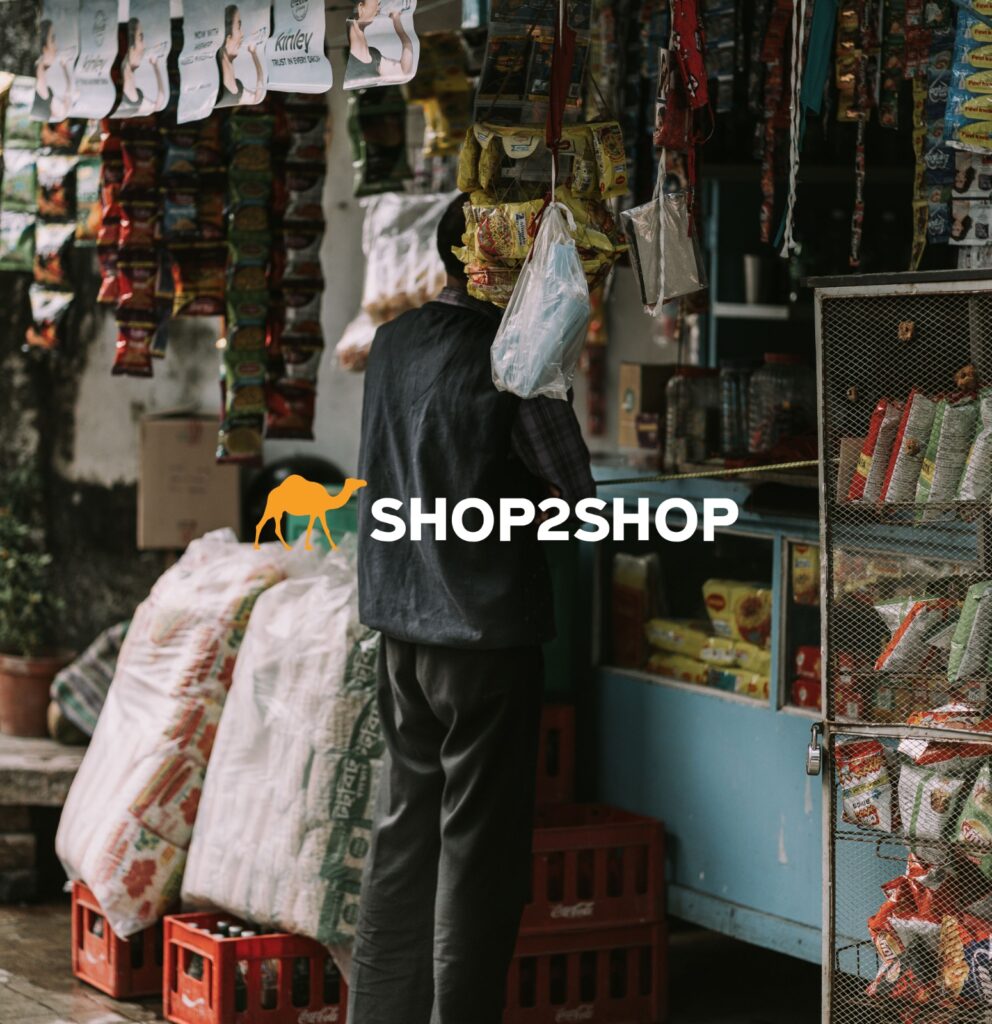
Although cash remains dominant, more consumers are embracing card and digital payments. Informal businesses that offer both methods are better positioned to increase sales and attract customers.
Many spaza shops have evolved beyond traditional retail outlets, becoming community hubs that provide services such as airtime, mobile data and prepaid electricity. Industry leaders say affordable technology solutions, including digital payment systems and integrated stock management tools, could help informal businesses become more efficient and profitable.
However, experts argue that technology and support programmes must be tailored to the realities of township enterprises rather than simply adapting systems designed for larger formal retailers.
Calls are also growing for stronger partnerships between government, businesses and communities to create a more supportive environment for informal traders.
Stakeholders have advocated for lower digital transaction costs, simplified registration processes, improved infrastructure and support initiatives that are developed in consultation with traders themselves.
Young entrepreneurs are increasingly turning to the informal economy amid high youth unemployment.
Many are expanding beyond traditional spaza shops into sectors such as food, beauty, construction and repair services, while using social media and digital platforms to market their businesses.
With an estimated 150,000 spaza shops operating across the country, experts believe that increased investment and improved access to technology and finance could help stimulate local economies, create jobs and reduce poverty.
Cindy Klassen, Head of Brand and Marketing at Shop2Shop, said supporting informal businesses is critical to fostering financial inclusion and economic participation.
“Supporting local informal businesses is one of the most powerful everyday choices each of us can make for our communities and our economy,” she said.
Industry leaders envision a future in which informal traders are fully recognised as legitimate businesses with access to finance, modern payment systems and growth opportunities, while maintaining the flexibility and strong community ties that have made the sector a cornerstone of South Africa’s economy.