







When Justice Roars: A Nation Confronts Power and Accountability
Tasha Siziba
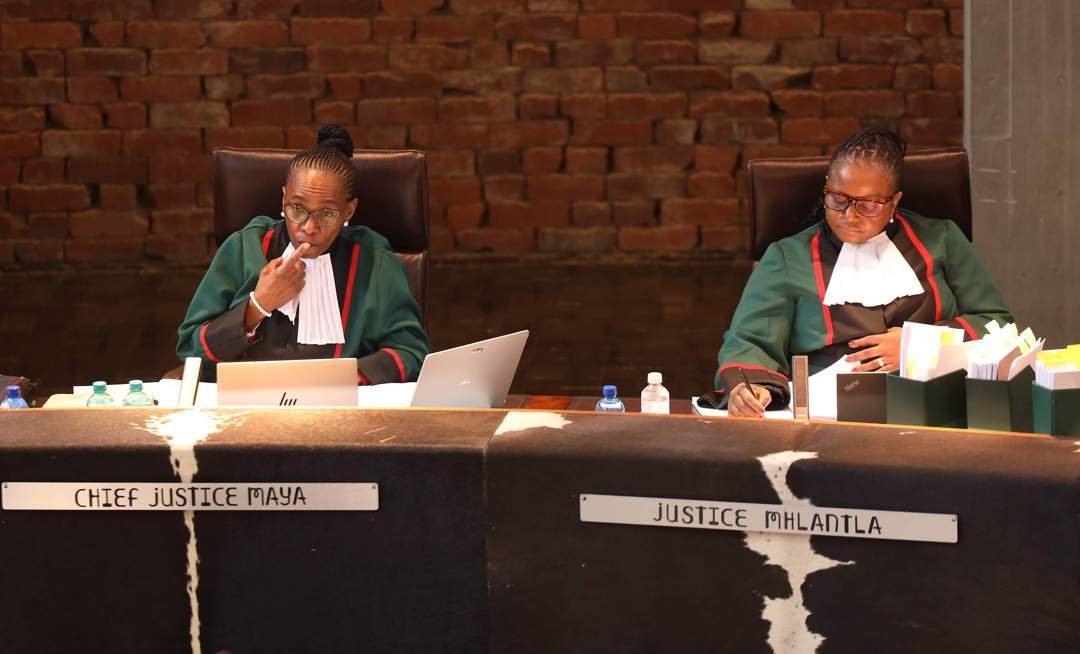
South Africa has witnessed a moment that may well redefine the balance between law and politics. In a landmark ruling, the Constitutional Court didn’t just interpret the law—it redrew the lines of accountability at the highest level of power.
At the heart of the storm lies the case captured in a legal battle between opposition parties and Parliament itself. The judgment cuts straight to a fundamental question: Can political power override constitutional duty? The Court’s answer was clear—no.
The Rule That Fell
Rule 129I of the National Assembly was supposed to guide how impeachment processes unfold. Instead, it became a shield—allowing Parliament to halt proceedings even when serious allegations existed.
The Court found that rule unconstitutional. Why? Because it undermined accountability, a core value of South Africa’s constitutional democracy. In striking it down, the Court emphasized that mechanisms meant to hold leaders accountable must actually work, not merely exist on paper.
A Vote Reversed by Justice
Equally dramatic was the Court’s decision to invalidate Parliament’s 2022 vote that blocked further investigation into the President. That vote, once considered final, was declared inconsistent with the Constitution.
In one decisive move, the Court:
- Set aside the vote
- Ordered the matter to proceed
- Sent the report to an impeachment committee. This wasn’t just legal correction—it was a constitutional reset. The Political Aftershock
Within hours of the ruling, pressure mounted. A formal demand—captured in it—called on the speaker of the National Assembly to act immediately.
The message was unmistakable:
- Parliament can no longer delay
- The impeachment process must proceed
- Accountability is no longer optional—it’s enforceable. More Than a Case—A Constitutional Turning Point.
This judgment goes beyond one controversy. It reshapes how democracy functions:
- Accountability is not symbolic – it must be real and effective
- Majority power has limits – it cannot override constitutional duties
- Institutions must act, not stall – especially when serious allegations arise
The court reinforced a powerful idea: democracy is not just about votes; it’s about responsibility.
The Bigger Question
Now that the legal path is clear, the real test begins:
Will Parliament rise to meet its constitutional duty?
Or will politics once again test the limits of the law?
One thing is certain—after this ruling, the Constitution is no longer a passive document. It is an active force, capable of compelling action at the highest levels of government.
In the end, this is not just a legal story—it’s a national moment.