




Walking for Our Bodies: Dr Thandeka Sibiya’s Journey for Women’s Health and Dignity
Thabo Motlhadi
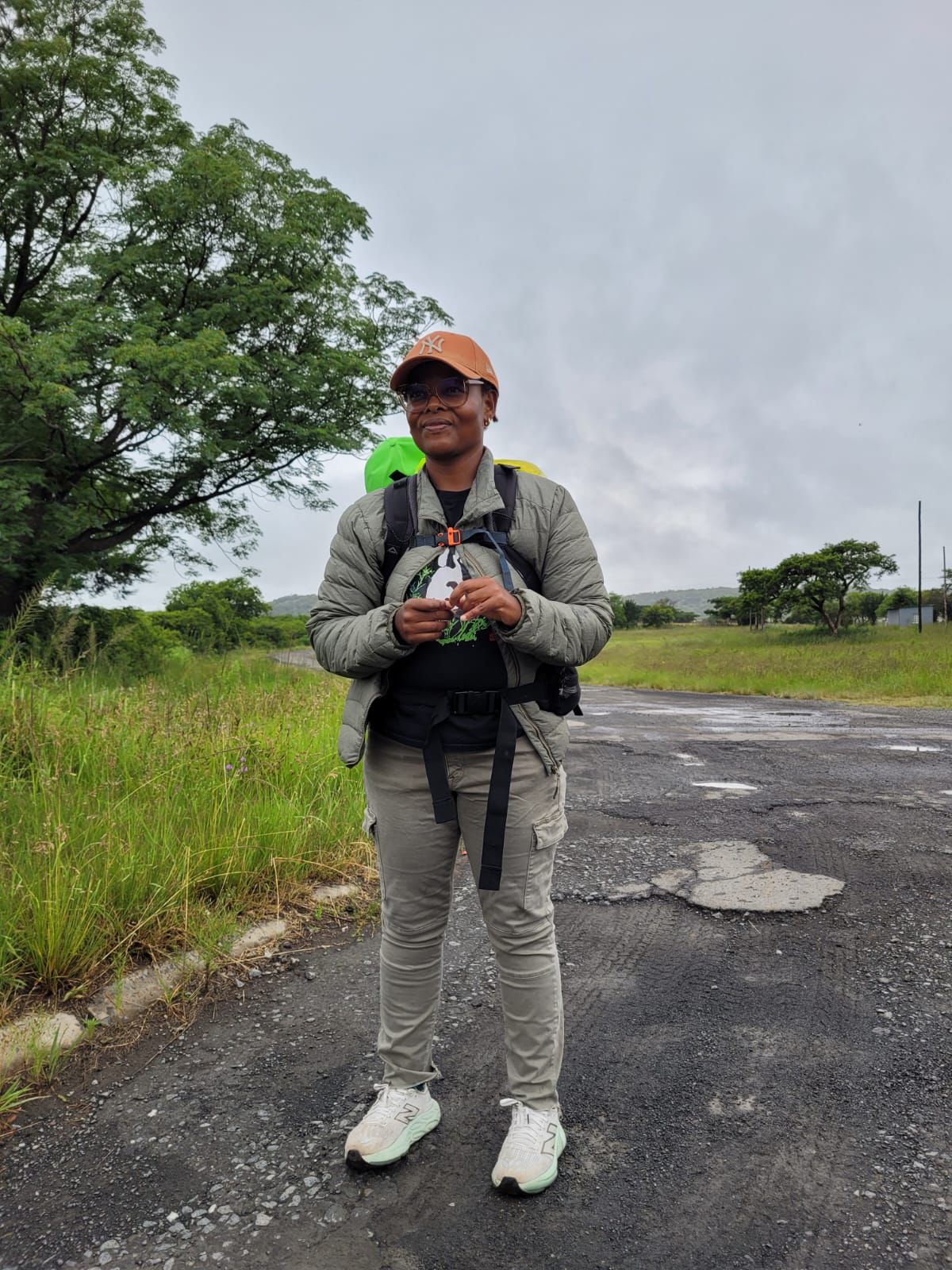
Walking for the Our Bodies initiative, led by a South African educator and women’s health advocate. Dr Thandeka Sibiya is a powerful awareness campaign dedicated to women living with fibroids and other health challenges. The campaign began on 10 December 2025 in Pietermaritzburg, KwaZulu-Natal, and concluded on Wednesday, 05 January 2026, at the Gauteng Legislature, Johannesburg.
Dr Sibiya, who lives with fibroids herself, describes the walk as deeply personal and purposeful. Her journey represents the countless women who continue to suffer in silence due to limited information, stigma, and lack of access to proper health care.
“At the beginning of my journey with fibroids, I didn’t have enough information about the condition – where to go, who to consult, or how to seek healing. Today, I walk to represent women who live with this condition every day,” she said.

The primary objectives of the Walking for Our Bodies initiative were to:
* Raise awareness about women’s health, including physical, emotional, and mental well-being.
* Encourage women to take ownership of their bodies and health.
* Create an open dialogue around fibroids and other women’s health challenges.
* Unite women from all walks of life under the theme “My Body, My Health”.
The campaign emphasised that women alone own their bodies and have the right to make informed decisions about their health. It also highlighted the critical role women’s health plays in building strong families, communities, and society at all.
Walking with Intentions
Reflecting on the journey, Dr Sibiya shared:
“For the past 26 days, and 2 more remaining to reach my destination, I have been walking with intentions. Each step grounds me, and each breath steadies me daily, despite the physical and mental strains I’ve endured. I didn’t consider backing off; I quickly remembered the course, and that’s enough for me, and I’m moving forward. “
Dr Sibiya further stated, “I quickly reminded myself that this walk is mine. I don’t need to rush, explain, or prove anything. Every step I take honours the strength of the women of Mzansi. This walk reminds me that I’m resilient, capable, and rooted. I trust my body. I trust my path, but more importantly, I trust South. This solo walk is a symbol of care; I care about my country, my fellow South Africans, and the entire being of our land. I step forward not because it’s easy but because I have positioned myself as a teacher.”

Standing Against Gender Based Violence
The walk also served as a strong platform to raise awareness against gender-based violence affecting women and children. It called for “
*Respect, dignity, and safety for women
*Freedom of movement and expression without fear
* Equal opportunities and protection under the law.
The initiative encouraged women to unite, speak out, and collectively seek solutions to end gender-based violence in South Africa.
Voices of Support
Campaign Manager Mrs Gugu Nkosi expressed heartfelt gratitude and reflected on the impact of the journey.
“I would like to urge fellow South Africans to participate in conversations like these. Being part of this journey has taught me so much, especially about the real and hidden effects of fibroids on women’s physical, emotional, and mental well-being. Too many women and young girls suffer in silence due to stigma, lack of information, and limited access to care. Through open dialogue, education and shared experiences, compassion and community support are powerful tools for change, and together we can build a South Africa that truly listens to and protects women and also cares about their health.”
A Call to a Nation
At the conclusion of the walk, Dr Sibiya formally submitted a memorandum and petition to the Gauteng Legislature, calling for greater attention to women’s health issues, improved access to care, and strong policy interventions.
The Walking for Our Bodies initiative stands as a bold reminder that women’s voices matter, women’s health matters, and change begins when women reclaim ownership of their bodies and stories.